


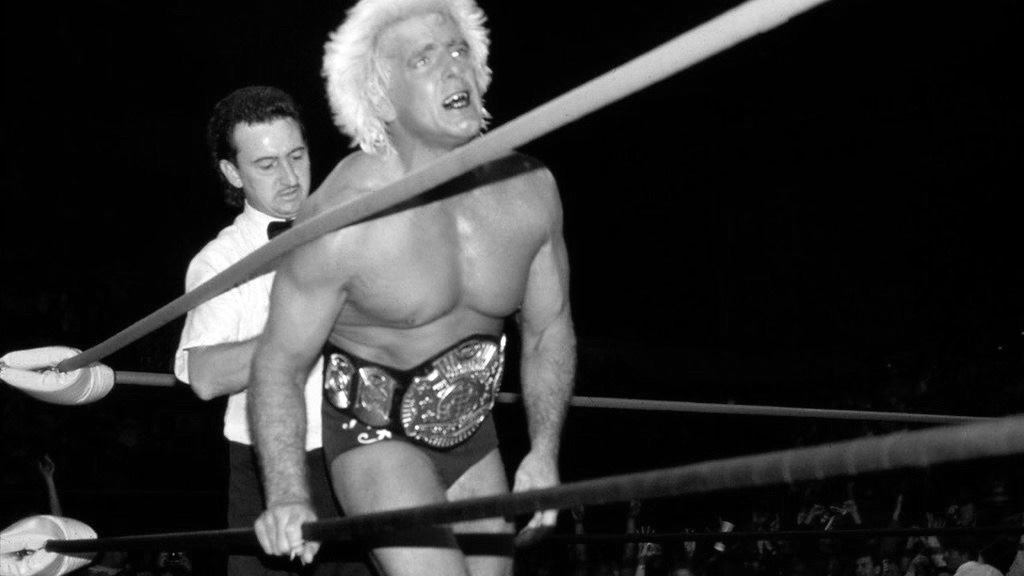
I grew up the way some kids grow up Catholic. Ritual. Incense. Pageantry. Except instead of incense it was pyro, and instead of saints it was guys like Terry Funk bleeding under arena lights. Pro wrestling was my everything.
I still say Flair vs. Vader at Starrcade is my favorite match ever, and I say it like someone defending the 2016 NBA Finals Game 7 as the single greatest sporting event in human history (we don’t acknowledge the World Series game 7.)
I’ve stayed up on January 4 for Wrestle Kingdom more times than I’ve stayed up for New Year’s Eve. Priorities. I’ve had multi-day arguments about match ratings that felt more intense than most family Thanksgivings (ironically, 2016 also plays a role there.) I mourned when WCW closed like I imagine people did when Elvis died.
In fact, I’ve been a wrestling fan longer than I’ve been most of anything.
But last year something weird happened.
I stopped watching.
And not because I was too busy.
I stopped caring.
WWE had long been off my radar, AEW had lost my interest, and New Japan was in its biggest slump since it became readily accessible to me.
So I stopped watching.
No manifesto. No dramatic “the business has changed” rant. I just drifted. Shows felt long. Promos felt longer. The discourse felt like Cleveland sports radio after a missed field goal. Everyone yelling. Everyone certain. Everyone exhausted.
I had turned watching wrestling into a front office job without the salary and benefits. I was scouting prospects. I was projecting pushes. I was debating long-term creative arcs like I had equity in the company. All of this while sitting on my couch in Ohio in a Spider-Man tshirt.
I thought I was done for good.
But then something incredible happened.
I started watching lucha libre.
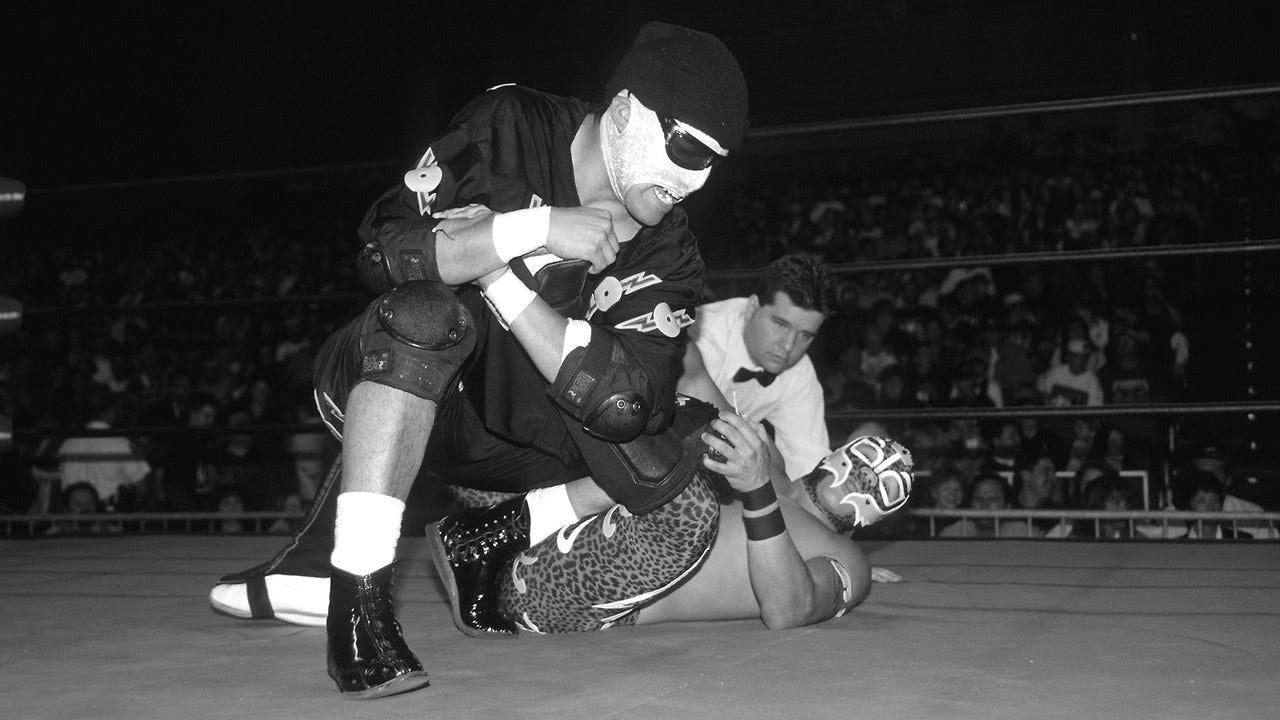
Now, I wasn’t new to lucha. I grew up on WCW Monday Nitro. I watched Super Caló. I watched Lizmark Jr. and convinced myself he was one match away from superstardom. I watched Damien 666 and Ciclope and thought, “These guys feel like they would get me kicked out of youth group.”
In other words, I had seen lucha.
But this was different.
This wasn’t cruiserweights doing spots between NWO promos. This was lucha libre as its own ecosystem. Lucha with dust on it. Lucha with history baked into the walls. Lucha that felt like it belonged to the people in the building.
Lucha libre is wrestling with a patina. It’s lived in. It’s cultural. It feels inherited instead of manufactured.
And I couldn’t get enough of it.
Now here’s where I need to address something.
CMLL is the hot promotion right now. Mistico is selling out buildings like Noah Kahan headlining a Patagonia convention. Arena México is packed. The awards love them. The internet loves them. Everyone’s talking about how this is the year of CMLL.
But that’s not when I fell in love with it.
I fell in love with CMLL in October.
Getting obsessed with CMLL during October is like discovering The Beatles by listening to Ringo’s solo album first. It’s like starting The Godfather trilogy with Part III and thinking, “Huh. Interesting choice.” It’s like discovering Michael Jordan through Wizards highlights and wondering why everyone keeps talking about Chicago.
That was me.
And what hooked me wasn’t some epic main event. It wasn’t Capitan Suicida or Neon flying through the air like gravity owed him money.
This was October. The Women’s Grand Prix.
It wasn’t Soberano Jr or Templario that got me obsessed.
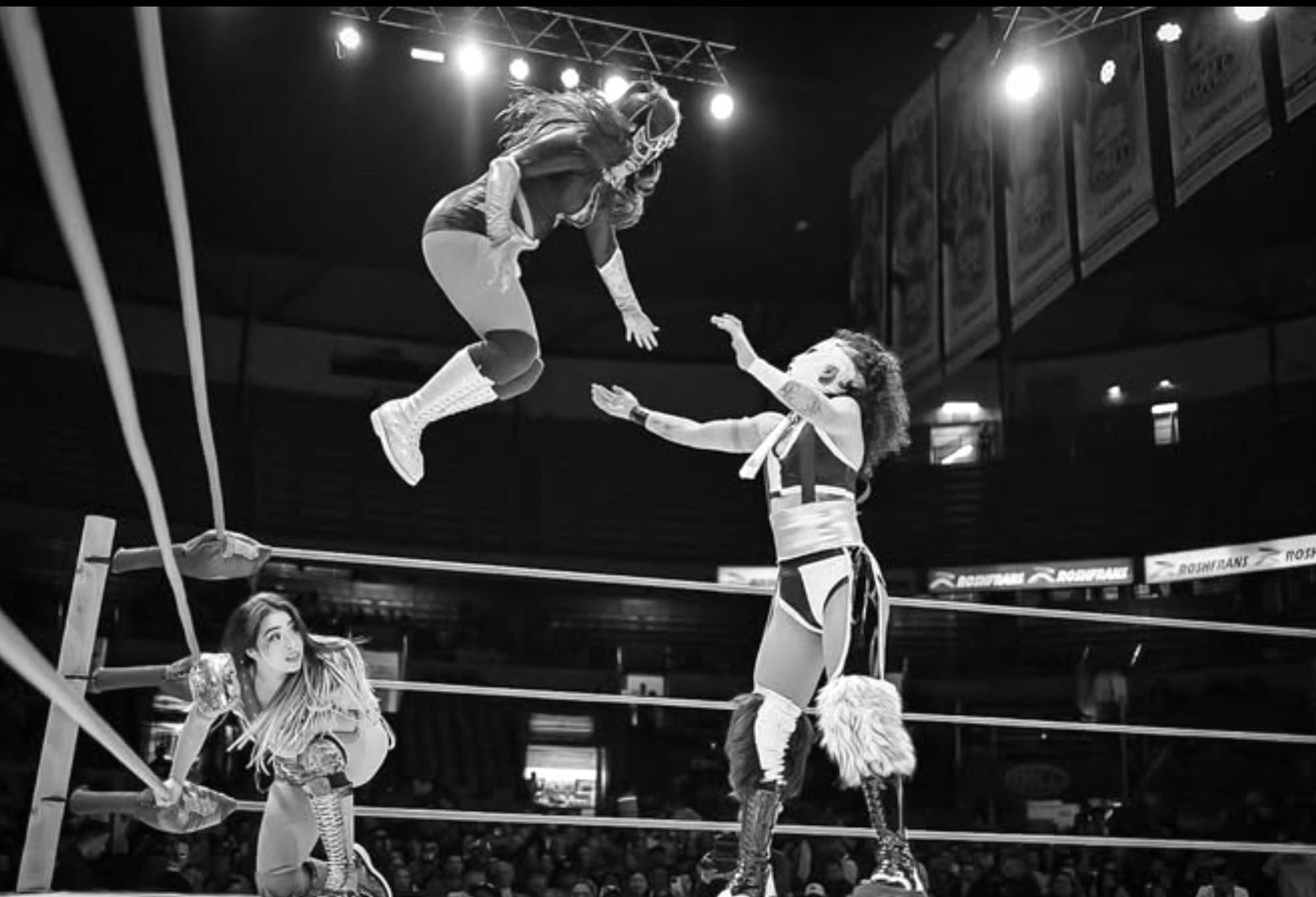
It was the Amazonas. It was wrestlers like Candela, Skadi, and Tabata. It was Persephone and Olympia.
And if I can be honest.
It wasn’t good.
The matches were messy. Timing was off. There were rope sequences where everyone looked like they were trying to remember which direction they were supposed to run. There were dives that landed half a beat late. There were moments where I genuinely wondered if this was the developmental show.
I had friends who were into lucha telling me, “I promise it gets better. Just stick with it for a few weeks.”
They said it like someone convincing you to power through the first three episodes of a slow-burn prestige drama. “Trust me. It hits.”
But here’s the thing.
I didn’t care if it got better.
I was already hooked.
Not on the wrestling.
On the experience.
I was watching something I didn’t fully understand in a language I didn’t know. The pacing felt different. The rhythm felt different. The crowd reacted in ways I wasn’t trained to anticipate. The stakes felt cultural, not just storyline-based.
And for the first time in a long time, I wasn’t analyzing.
I wasn’t grading.
I wasn’t projecting where this ranked in the Match of the Year conversation.
I was just watching something new.
I was letting myself not know.
That might sound small. It wasn’t.
Because somewhere along the way, I had stopped allowing myself to be a beginner.
I had stopped allowing myself to experience something without immediately categorizing it. I had turned everything into comparison. Into evaluation. Into context.
And here I was, watching imperfect matches in October, in a promotion I didn’t fully understand, and feeling that old sensation again.
Curiosity.
I wasn’t hooked because it was elite.
I was hooked because it was different.
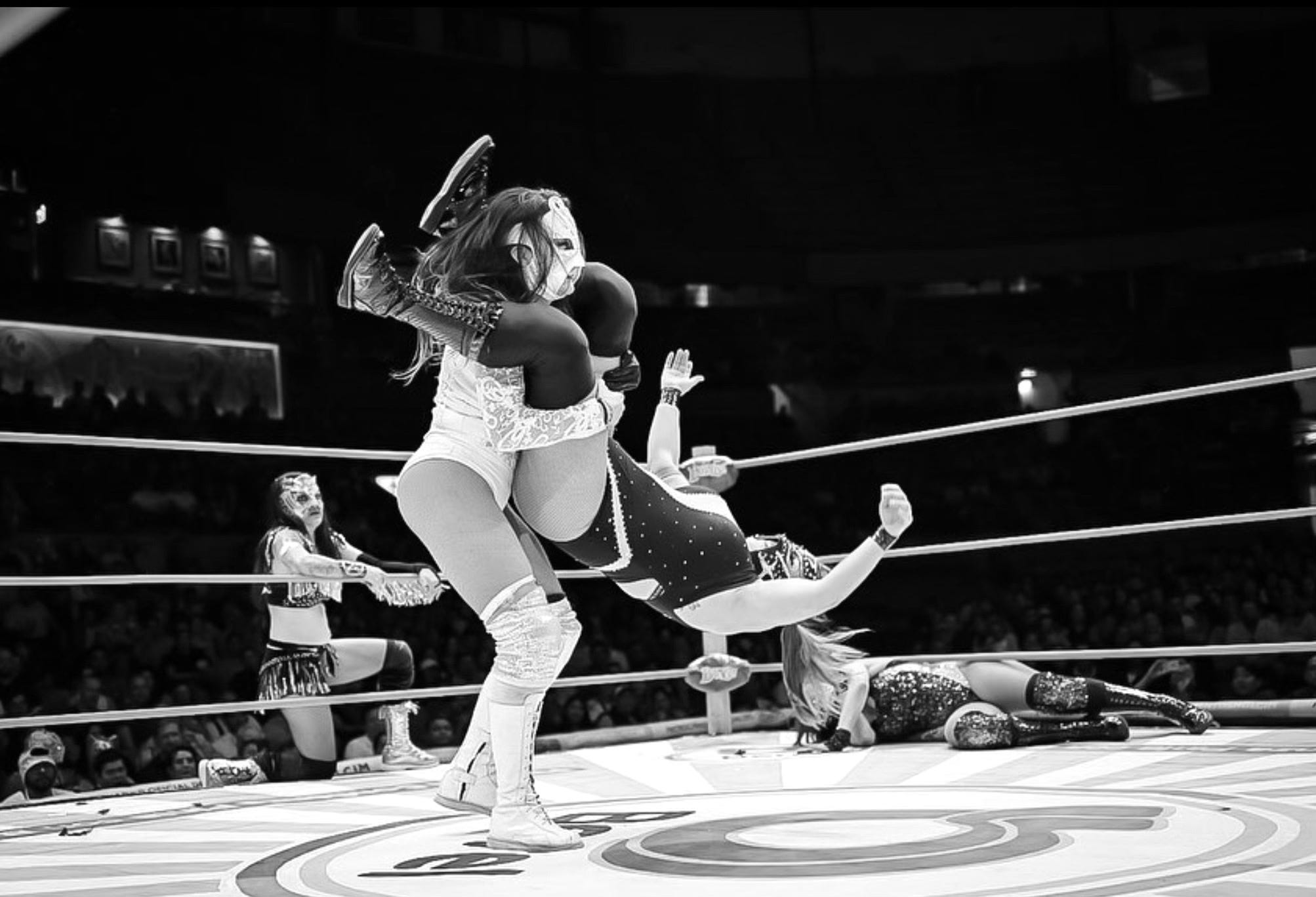
Because it felt like walking into a room where a story had been unfolding long before I got there.
And I didn’t have to control it.
I just had to sit there and watch.
And then, in the middle of all this — in the middle of falling in love with wrestling again, my life shifted like rope-walk sequences that sometimes ended in polite chaos.
My wife and I found out we were adopting a daughter.
There isn’t a clean narrative transition for that. It doesn’t come with swelling music. It just lands in your living room and suddenly everything feels heavier and lighter at the same time.
For years I had approached wrestling like a scout. Evaluating. Ranking. Deciding who was worthy of investment. I wanted finished products. Tight pacing. Clean execution. I wanted Chicago Bulls Jordan, not Wizards Jordan.
And now I was stepping into fatherhood — into adoption — which is, by definition, stepping into something mid-story.
No grading scale.
No five-star system.
No “let’s see how this develops.”
Just presence.
A few weeks after we found out, my wife handed me a book she had bought.
It was a lucha libre book for babies.
Bright colors. Cartoon masks. Simplified Spanish phrases. A board book version of a world I had accidentally fallen into a few months earlier.
I remember holding it and laughing.
Of course.
Of course the thing I stumbled into during a random October would somehow circle back into this. Of course the masks and the arenas and the cultural weight of lucha libre would now live on a nursery shelf in our house in Ohio.
Isn’t that just the way wrestling works sometimes?
I had spent years arguing about star ratings.
Now I’m reading books about El Santo to a daughter who can’t even walk yet.
The reason I fell in love with CMLL in October wasn’t because it was technically superior. It wasn’t because it was the hottest promotion. It wasn’t because it won awards.
It was because I let myself experience it without control.
I let myself be new again.
I let myself watch imperfect matches and root anyway.
Adoption is that same posture.
You don’t walk into it evaluating. You walk into it committed. You don’t wait for polish. You show up for the process. You don’t analyze potential. You love a person.
Somewhere between Tabata’s mistimed dive and Persephone going for something ambitious, I stopped being a critic.
I became a fan again.
And maybe, quietly, it prepared me to be a father.
I saw Candela before Soberano Jr. and it made me a better wrestling fan.
Life’s weird like that.